
CABNN | Credit Africa Business News Network
A New Chapter in Africa–China Trade and Investment
Africa’s Financial Integration with China Enters a Strategic New Era
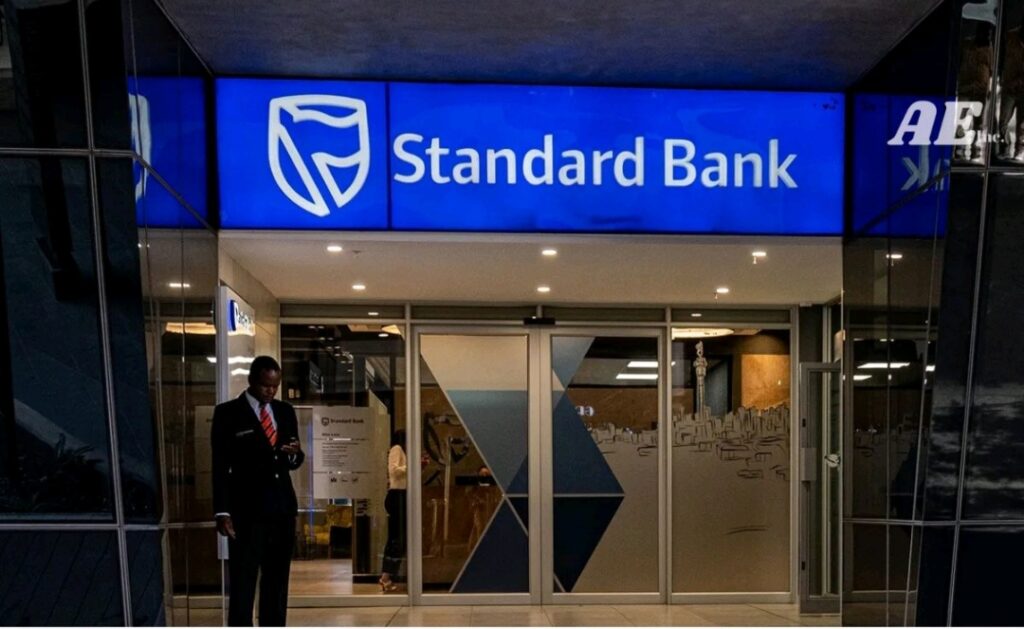
Africa’s economic relationship with China has reached another significant milestone following China’s authorization of Standard Bank Group and the Industrial and Commercial Bank of China (ICBC) to jointly clear Renminbi (RMB/Yuan) transactions across Africa.
The move represents more than a banking development—it signals the continued evolution of Africa’s financial infrastructure as the continent deepens trade, investment, and commercial ties with the world’s second-largest economy.
According to industry reports, the new RMB clearing arrangement will enable businesses, financial institutions, and investors across 19 African countries to settle transactions directly in Chinese Yuan, improving efficiency while reducing transaction costs associated with currency conversions.
Why This Matters for Africa
China has become Africa’s largest bilateral trading partner, with trade volumes continuing to expand across manufacturing, mining, agriculture, infrastructure, telecommunications, renewable energy, and logistics.
Direct RMB settlement provides several strategic advantages:
- Faster cross-border trade settlements.
- Lower foreign exchange conversion costs.
- Reduced dependence on intermediary currencies.
- Improved access to Chinese financial markets.
- Greater efficiency for African importers and exporters.
- Stronger financial connectivity between Africa and Asia.
For African businesses importing machinery, technology, industrial equipment, renewable energy solutions, and manufacturing inputs from China, the initiative could improve transaction efficiency while reducing exchange-rate risks.
Africa–China Economic Partnership Continues to Expand
Over the past two decades, China has become one of Africa’s most influential economic partners through investments in:
- Transport infrastructure
- Energy projects
- Digital connectivity
- Manufacturing
- Mining
- Agriculture
- Financial services
Recent policy measures—including China’s removal of tariffs on imports from 53 African countries and growing use of RMB settlement—reflect a broader strategy to deepen economic integration between Africa and China. Trade between the two regions has continued to grow strongly in recent years.
What It Means for African Businesses
The authorization creates new opportunities for:
- SMEs engaged in international trade.
- Manufacturing companies sourcing equipment from China.
- Exporters seeking easier access to Chinese markets.
- Financial institutions supporting cross-border commerce.
- Investors financing Africa–Asia trade corridors.
As African businesses become increasingly integrated into global value chains, efficient payment systems will become a competitive advantage.
Investment Perspective
For investors, the announcement reinforces several long-term themes:
Financial Infrastructure Modernization – More efficient payment systems can reduce friction in cross-border commerce.
Regional Trade Growth – Improved settlement mechanisms can support intra-African and international trade under the African Continental Free Trade Area (AfCFTA).
Currency Diversification – Businesses may gain greater flexibility in managing international transactions.
Growing Asia–Africa Investment Corridor – Financial integration is expected to strengthen investment flows between African economies and Asian markets.
Credit Africa Insight
Africa’s next phase of economic growth will depend not only on infrastructure development but also on modern financial systems that facilitate global commerce.
The partnership between Standard Bank and ICBC demonstrates how banking innovation can strengthen Africa’s position in international trade while expanding opportunities for businesses, investors, and entrepreneurs.
As trade between Africa and China continues to grow, financial institutions capable of connecting both markets will play an increasingly important role in supporting industrialization, investment, digital commerce, and sustainable economic development.
CABNN Market Outlook
Africa’s future competitiveness will increasingly depend on efficient financial infrastructure, diversified trade partnerships, and deeper integration into global markets.
The authorization of RMB clearing across Africa represents another step toward a more connected and globally competitive African economy.
While the US dollar is expected to remain an important international trading currency, growing RMB settlement options provide African businesses with additional flexibility and resilience in managing global trade.
Read More: https://africaneconomyinc.com/sectors/banking-finance/china-authorizes-standard-bank-and-icbc-to-clear-yuan-transactions-across-africa/
Credit Africa Business News Network (CABNN)
Delivering business intelligence, investment insights, and economic analysis shaping Africa’s future.
CreditAfrica.org
Adapt • Expand • Build